June 13, 2026

Your brain is not done yet

7 discoveries · 12 good-news notes · 66 articles read

The common thread

Today's science keeps discovering that the human brain and body are more capable of growth, healing, and surprise than almost anyone assumed.

Natural Sci.Plant-Based

Three separate studies arrived this week at the same basic finding: there is no age at which the body simply stops responding to effort. A three-year University of Texas at Dallas study tracked 3,966 adults from 19 to 94 who spent five to fifteen minutes a day on brain training activities [3].

Read the full story
TechnologyNatural Sci.

Researchers at the University of Cambridge used a machine learning model to scan the genetic data of thousands of related coronaviruses and identify the regions of the virus that stay stable across mutations [46]. From those conserved regions, the AI designed a "super-antigen" that forms the core of a vaccine...

Read the full story
Natural Sci.

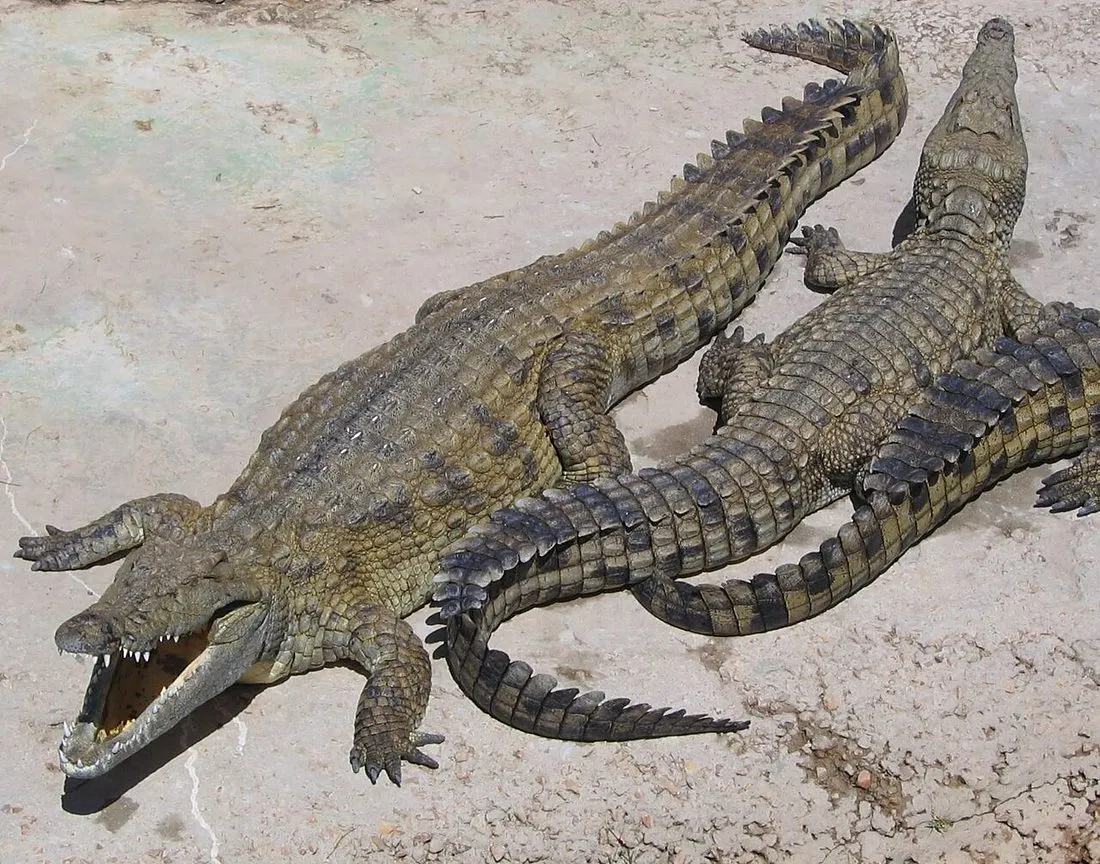
A University of Iowa team has formally named a crocodile species that shared East Africa with Lucy and her relatives more than three million years ago [1]. They called it Crocodylus lucivenator, Latin for "Lucy's hunter." It measured 12 to 15 feet, weighed up to 1,300 pounds, and was the only crocodilian species...

Read the full story
Natural Sci.Psychology

A wave of brain-imaging research is finding that anorexia nervosa alters the circuits governing reward, habit, and emotion in ways that may make eating feel genuinely aversive, even to patients who consciously want to recover [10]. The New Scientist piece, written by a survivor who nearly died at 15, describes the...

Read the full story
Good NewsNatural Sci.

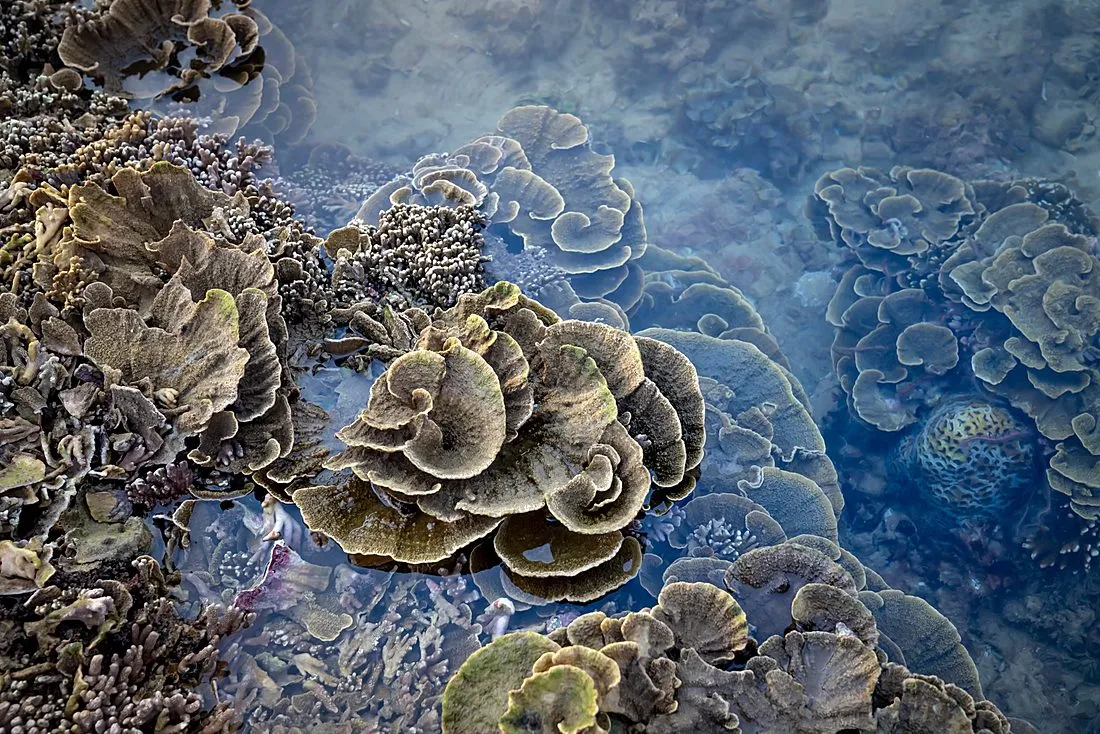
The French Polynesian government announced it will fully protect 200,000 square miles of ocean, roughly twice the size of Arizona, creating the Te Tai Nui a Hau Marine Protected Area near the Austral, Marquesas, and Western Society islands [62]. Combined with earlier protected zones announced in 2024, 30 percent of...

Read the full story
Natural Sci.

In late 2025, a group of astronomers published findings suggesting that the evidence for dark energy was weakening, and that the universe's accelerating expansion might no longer be real [7]. The claim would have overturned the 2011 Nobel Prize in Physics and nearly 30 years of cosmological research.

Read the full story
Good News

George Kohler, 57, and his son Josh, 23, left their home near Norwich in March 2025 and cycled through South America, Australia, Asia, and Europe before returning 400 days and 18,000 miles later [60]. They broke three world records: fastest bicycle circumnavigation by a father and son, longest bicycle journey by a...

Read the full story

The feel-good story of the day

Green odette (via Pexels)

The graduation party Emily never got to attend

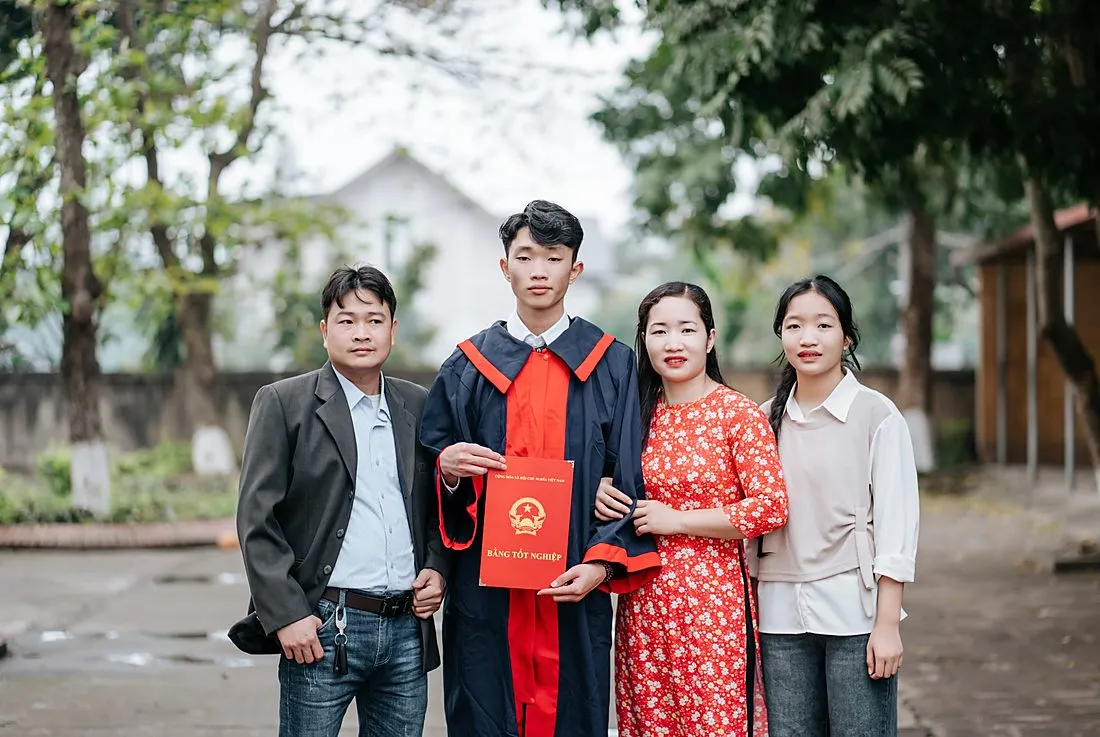
In December, Emily Matejovitz died at 16 following a mental health struggle. Her mother, Becky Smith, described her as "the first one to cheer for her softball teammates. It didn't matter if they were winning or if they were losing." When Emily was declared brain dead, her parents faced an impossible question. They asked themselves what Emily would have wanted. Then hospital staff contacted Gift of Life Michigan and made a discovery: Emily had already registered herself as an organ donor when she got her ID. She had never told her parents.

Her heart went to Landon Coleman, a teenager from Virginia. One of her kidneys went to four-year-old Ripley Ferrell in West Virginia. Becky wrote letters to the recipient families. Every family wrote back.

When the Matejovitzes held a graduation celebration in Emily's honor, Landon traveled from Virginia to attend. Ripley's family came from West Virginia. Landon stood before the gathered guests and said: "My name is Landon Coleman, and I have Emily's heart. It lets me do things that I couldn't have done before." Becky placed a stethoscope against his chest and listened. "Breathtaking," she said afterward, "knowing that my baby's heart still beats." What was meant to be a graduation party became something none of them had words for. Emily's story, her mother said, is far from over.

The discoveries, in full

Natural Sci. Plant-Based

Your brain is not done yet

Three separate studies arrived this week at the same basic finding: there is no age at which the body simply stops responding to effort. A three-year University of Texas at Dallas study tracked 3,966 adults from 19 to 94 who spent five to fifteen minutes a day on brain training activities [3].

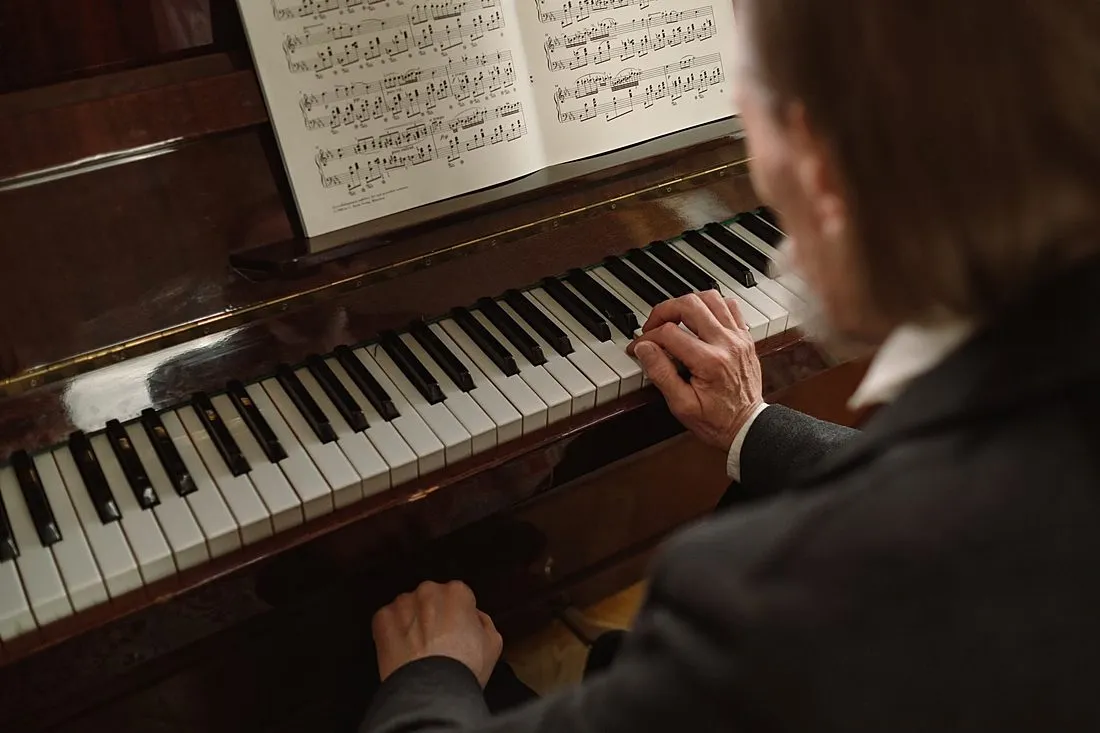
Even participants in their 80s showed measurable improvements across thinking clarity, emotional balance, and sense of purpose. A Kyoto University team followed the same group from a 2020 study four years later and found that adults in their early 70s who kept practicing a musical instrument maintained their verbal memory and showed significantly less shrinkage in the brain's putamen compared to those who stopped [4]. Stopping the practice reversed the benefit. Continuing it preserved it. And in a randomized trial of 120 adults aged 66 to 89, three tablespoons of peanut butter daily for six months improved sit-to-stand performance, a direct measure of lower-body muscle power and fall risk, without any weight gain [52]. A second arm of that study found that peanut and peanut butter consumption improved memory scores and reduced stress in younger adults over the same period.

What each field noticed
ScienceDaily

Your brain can keep improving into your 90s, study finds

The UT Dallas team used the BrainHealth Index, a 20-metric assessment covering sleep quality, happiness, and complex thinking [3]. "Every brain is as unique as a fingerprint and has potential for growth," said Lori Cook, the study's corresponding author. The finding that challenges assumptions most directly: gains appeared in participants in their 80s and 90s, ages at which the prevailing assumption has long been one of inevitable, progressive loss.

Read the story
ScienceDaily

Learning a musical instrument in your 70s could help protect memory

The Kyoto study is more precise than most, because it tracked the same group of people across four years rather than comparing different people at a snapshot in time [4]. The right putamen, a brain region involved in memory and motor learning, was measurably larger in those who kept playing. Those who stopped lost both the brain volume advantage and the verbal memory scores they had gained. The implication: continuing mattered more than having started.

Read the story
Plant Based News

New Peanut Butter Study Finds Benefits For Muscle And Brain Health

The peanut butter study surprised researchers on two counts: the benefit appeared without any change to exercise habits, and it did not cause weight gain despite increasing daily calorie intake [52]. Researchers think the amino acid arginine may improve blood flow to muscles, though they note that remains a hypothesis. The memory and mood improvement in younger adults was an unexpected secondary finding.

Read the story
Technology Natural Sci.

The first vaccine designed by AI has been tested in humans

Researchers at the University of Cambridge used a machine learning model to scan the genetic data of thousands of related coronaviruses and identify the regions of the virus that stay stable across mutations [46].

From those conserved regions, the AI designed a "super-antigen" that forms the core of a vaccine targeting the entire sarbecovirus family: SARS, COVID-19, and related animal coronaviruses that haven't jumped to humans yet. In a trial of 39 people, the vaccine produced antibodies at all four doses with no significant safety concerns. It is a DNA vaccine rather than mRNA, which means it does not require needle injection and stays stable without the frigid storage conditions COVID boosters demand [46]. Separately, Princeton researchers used a neural network to sort images of a cellular structure called the nucleolus into four shape categories [17]. The network found a completely new shape, which they named "flower," and detected that two known anti-cancer drugs produce a nucleolus shape change that had never before been reported for those drugs.

What each field noticed
Futurism

Doctors Inject Human Subjects With First Vaccine Designed by AI

The framing here is genuinely historical: this is the first AI-designed vaccine to be tested in humans [46]. The goal is not just protecting against existing coronaviruses but future-proofing against variants that don't exist yet, or animal strains that haven't crossed over. "This is about making vaccines that protect us, not just from today's viruses, but from what can cause the next outbreak or disease," said study co-author Jonathan Heeney. The trial was small and the immune response modest, but the design concept has now been proven viable.

Read the story
Phys.org

AI sorts cell droplets into four shapes, uncovering drug effects in human cells

The Princeton study is a different kind of AI-in-medicine story: not designing a drug, but reading cells in ways human eyes cannot [17]. The neural network identified that two anti-cancer drugs cause a nucleolus shape change not previously reported for those drugs, and discovered an entirely new shape linked to a third. The tool works by learning to classify patterns that emerge from molecular interactions, detecting biology that standard analysis missed.

Read the story
Natural Sci.

The crocodile that stalked our ancestors finally has a name

A University of Iowa team has formally named a crocodile species that shared East Africa with Lucy and her relatives more than three million years ago [1]. They called it Crocodylus lucivenator, Latin for "Lucy's hunter." It measured 12 to 15 feet, weighed up to 1,300 pounds, and was the only crocodilian species known from the Hadar landscape, making it the apex predator of its ecosystem: larger than the lions and hyenas of its time.

Its most distinctive feature was a prominent hump on its snout. Researcher Christopher Brochu, who has spent 35 years studying ancient crocodilians, first saw the specimens at a museum in Addis Ababa in 2016. "It was the largest predator in that ecosystem, more so than lions and hyenas, and the biggest threat to our ancestors who lived there during that time," Brochu said. "It would have seen Lucy's kind and thought, 'Dinner.'"

What each field noticed
ScienceDaily

Lucy's hunter revealed: Giant crocodile terrorized early human ancestors

The study, published in the Journal of Systematic Palaeontology, adds a new species to the fossil record of early human environments and reframes what survival looked like for bipedal hominins [1]. The Hadar landscape included wetlands, rivers, and tree-lined waterways: prime crocodile habitat. An ambush predator of this size, concealed at water sources, would have been a constant and deadly part of daily life for ancestors who needed to drink.

Read the story
Natural Sci. Psychology

The brain science of eating disorders is pointing toward new treatments

A wave of brain-imaging research is finding that anorexia nervosa alters the circuits governing reward, habit, and emotion in ways that may make eating feel genuinely aversive, even to patients who consciously want to recover [10].

The New Scientist piece, written by a survivor who nearly died at 15, describes the paradox clearly: fearing weight gain can feel more immediate than the reality of cardiac failure. Roughly a third of anorexia patients do not recover even with treatment. The emerging research suggests part of the reason has to do with what starvation does to the brain, not just to the body. Separately, Psychology Today reports on the growing body of evidence for AI chatbots as a bridge for people who cannot access eating disorder care quickly enough [32]. In a 2025 clinical trial, a chatbot called Therabot produced large reductions in eating disorder symptoms among high-risk adults, who rated the experience comparable to working with a human therapist. Only 20 to 25 percent of people with eating disorders ever reach professional care.

What each field noticed
New Scientist

Understanding anorexia's grip on the brain could unlock new therapies

The biological case is that starvation itself rewires the brain, regardless of what caused the restriction [10]. A troubling 1940s experiment in which healthy men had their calories halved showed that after six months, they became obsessive about food, socially withdrawn, and psychologically transformed. Anorexia may be partly self-perpetuating at a neurological level. This is why researchers are now investigating brain stimulation and medications targeting specific circuits as treatment options that didn't exist in the old behavioral-only framework.

Read the story
Psychology Today

AI in Eating Disorders: Support Tool or Silent Risk?

The psychology field's concern here is the access gap [32]. Waitlists for eating disorder specialists can stretch months, and most people never reach treatment in the first place. AI tools could help in that gap, but the risks are real. Some AI models have generated dangerous diet advice for teens, including plans to hide eating behavior from parents. The consensus emerging from the research is that AI shows genuine promise in controlled clinical settings but requires careful oversight before wider deployment.

Read the story
Good News Natural Sci.

The ocean is being protected at a scale that matters

The French Polynesian government announced it will fully protect 200,000 square miles of ocean, roughly twice the size of Arizona, creating the Te Tai Nui a Hau Marine Protected Area near the Austral, Marquesas, and Western Society islands [62].

Combined with earlier protected zones announced in 2024, 30 percent of French Polynesia's total ocean territory will now be shielded from extractive activity. Traditional artisanal fishing continues in designated coastal zones, connecting conservation to the communities that have managed these waters for generations. Meanwhile, scuba divers filming a great white shark near a Sicilian shipwreck prompted marine scientists to explain what most people don't know: Mediterranean great whites have always been there [12]. A 2020 genetic study confirmed that this population has been isolated for 3.2 million years, making it one of the oldest and most distinct white shark lineages on Earth. They are not lost individuals drifting in from the Atlantic. They are residents, and critically endangered ones.

What each field noticed
Good News Network

French Polynesia Protects Biodiverse Ocean Area Twice the Size of Arizona

The conservation here is powered by local leadership built over more than a decade [62]. Polynesian communities shaped the plan, which preserves traditional fishing rights alongside strict broad-ocean protection. French Polynesia's waters host species found nowhere else on Earth and serve as breeding grounds and migration corridors for whales, sharks, and seabirds. The "30 by 30" global goal of protecting 30 percent of the world's oceans by 2030 depends on decisions exactly like this one.

Read the story
Phys.org

The Ghosts of the Mediterranean

The shark story adds an unexpected layer: the Mediterranean great white is not a visitor, it is an ancient lineage [12]. Its DNA is closer to Pacific populations than to neighboring Atlantic ones, a sign of complex evolutionary isolation spanning millions of years. "Ghost population" describes their status accurately: not extinct, but so rarely seen that their presence has become a surprise even to the informed public. Their genetic diversity is extremely low, which makes recovery from further pressure less certain.

Read the story
Natural Sci.

Dark energy is real, and the universe is still accelerating

In late 2025, a group of astronomers published findings suggesting that the evidence for dark energy was weakening, and that the universe's accelerating expansion might no longer be real [7].

The claim would have overturned the 2011 Nobel Prize in Physics and nearly 30 years of cosmological research. A new investigation led by the University of Southampton, co-authored by Nobel laureates Adam Riess and Brian Schmidt, found the critical error: the 2025 analysis failed to properly account for how supernovae behave differently depending on the properties of the galaxies they explode in. When researchers corrected for this, the evidence for cosmic acceleration came back "remarkably consistent." "Extraordinary claims require especially careful testing," Riess said [7].

What each field noticed
ScienceDaily

Dark energy survives major challenge as universe keeps accelerating

The resolution of this debate is scientifically significant because it clears the way for the real question: what dark energy actually is [7]. The mystery remains. Something is causing the universe to expand faster and faster, and no one understands what. By confirming the measurements are sound, researchers can stop arguing about whether cosmic acceleration is real and get back to the more interesting problem.

Read the story
Good News

A father and son, 18,000 miles, and one rule about arguments

George Kohler, 57, and his son Josh, 23, left their home near Norwich in March 2025 and cycled through South America, Australia, Asia, and Europe before returning 400 days and 18,000 miles later [60].

They broke three world records: fastest bicycle circumnavigation by a father and son, longest bicycle journey by a father and son, and most countries visited in a continuous bicycle journey by a father and son. George is a chimney sweep. When Josh proposed the idea, his father's response was: "Perfect, why not?" Among the highlights was a shepherd in rural Turkey who spotted them from a hillside, beckoned them over, and shared his breakfast over a campfire, the two of them speaking no common language. Their one unwritten rule over all 400 days was never to go to sleep on an argument.

What each field noticed
Good News Network

Father and Son Break Three World Records in 18,000 Mile Cycle Around the World

The record-breaking is almost beside the point [60]. What the story documents is texture: monks offering food and drink, a local sharing lunch in Serbia, the final day when people George hadn't seen in years came to welcome them home. Josh said the emotional challenges were harder than the physical ones. A year of constant proximity to one other person, without a break, tests things that training cannot prepare you for.

Read the story

Good news you might have missed

New fentanyl vaccine blocks deadly overdoses before they start Scripps Research has developed a vaccine that trains the immune system against a broad class of fentanyl-related designer drugs, not just fentanyl itself, so it could stay effective even as manufacturers alter the molecule to evade detection or regulation [8]. ScienceDaily
Saturday Citations: A new study has identified the cause of inflammatory bowel disease Researchers analyzing 4,900 patients found that 3.5 percent of those with Crohn's disease and ulcerative colitis produce antibodies that neutralize interleukin-10, a protein that normally prevents runaway gut inflammation. None of the healthy individuals tested had these antibodies. This closes a decades-old gap between a known genetic risk factor and the disease mechanism [13]. Phys.org
Saturday Citations: A single dose of psilocybin temporarily restored function in an 80-year-old with Alzheimer's disease Buried in this week's citations roundup: one dose of psilocybin temporarily restored cognitive function in an 80-year-old Alzheimer's patient. The finding deserves more attention than a one-line mention [13]. Phys.org
Engineering enzymes with potential against ALS and Parkinson's disease Washington University researchers found a way to generate and screen tens of millions of variations of an enzyme called Hsp104, which can break apart the misfolded proteins behind ALS and Parkinson's. Previous methods could evaluate a few hundred variants at a time; this one covers tens of millions [15]. Phys.org
A hidden gene finally explains this rare neurological disorder Scientists analyzed 2,811 patients with rare movement disorders and identified mutations in a gene called CD99L2 as the cause of X-linked spastic ataxia, a condition whose genetic basis was previously unknown. The gene had been recognized only for immune system functions [6]. ScienceDaily
Woman Who Rescued Injured Crow Keeps Getting 'Thank-you Gifts' from Other Birds A Métis woman in Canada helped free a trapped crow from a roof gutter, and now the entire local murder of crows follows her on daily walks and brings her small presents. The crow she rescued visits regularly; she can identify him by the band on his leg [61]. Good News Network
Alien planet spins revealed a hidden clue to how worlds form Astronomers used the Keck Observatory to measure the spins of 43 giant planets and brown dwarfs and found something unexpected: gas giants tend to spin faster than more massive brown dwarfs, suggesting magnetic fields and formation history shape rotation far more than mass alone does [2]. ScienceDaily
Lab-grown canine muscle cells offer solution for early therapeutic testing Texas A&M researchers developed an immortalized canine muscle cell line, Myok9, that allows drug candidates for muscle diseases to be screened in the lab before animal studies begin, supporting a federal push to reduce animal use in early-stage research [19]. Phys.org
After Wandering Field All Day He Discovers 16th C. Diamond Ring Using his Metal Detector A hobbyist in Gloucestershire unearthed a 16th-century gold ring set with eight rare "hogback" diamonds, confirmed by the British Museum to be 19.2-carat gold [65]. The ring is expected to sell for up to $20,000 at auction, split equally with the landowner. Good News Network
Why grandparents matter more than ever for children's mental health A child psychologist at Weill Cornell argues that the decline of extended family involvement is a structural driver of the youth mental health crisis, and that grandparents offer an unhurried, low-stakes relationship that parents, under pressure to manage achievement and schedules, often can't replicate. More than 40 percent of US teenagers report ongoing sadness or hopelessness [5]. ScienceDaily
STAT+: FDA approves Sanofi diabetes drug for children with stage 3 diabetes The FDA approved teplizumab for children aged 8 and older with stage 3 type 1 diabetes, making a targeted immunotherapy available to kids at the most critical point in the disease's progression [23]. STAT
Saturday Citations: JAXA collaboration with toy company TOMY Japan's SLIM lunar mission deployed a tiny rover called LEV-2, co-designed with toy maker Tomy, that transformed from a sphere to a wheeled robot on the Moon's surface and autonomously explored for two hours, demonstrating that ultra-compact micro-robots can do real planetary science [13]. Phys.org

Everything we read today

Natural Sciences 22 articles
Life Sciences & Medicine 4 articles
Psychology & Behavioral Science 10 articles
Social Sciences 5 articles
Technology & Innovation 8 articles
Plant-Based & Vegan 10 articles
Solutions & Good News 7 articles

Get this every morning.

One short, warm email with the day's real progress. Free, forever.