June 14, 2026

Loneliness works like hunger, and ancient DNA still tunes our immunity

6 discoveries · 14 good-news notes · 444 articles read

The common thread

Ancient DNA inherited from a people who vanished 40,000 years ago is still switching our immune genes on and off today, and loneliness turns out to work on the brain exactly the way hunger does.

Natural Sci.Psychology

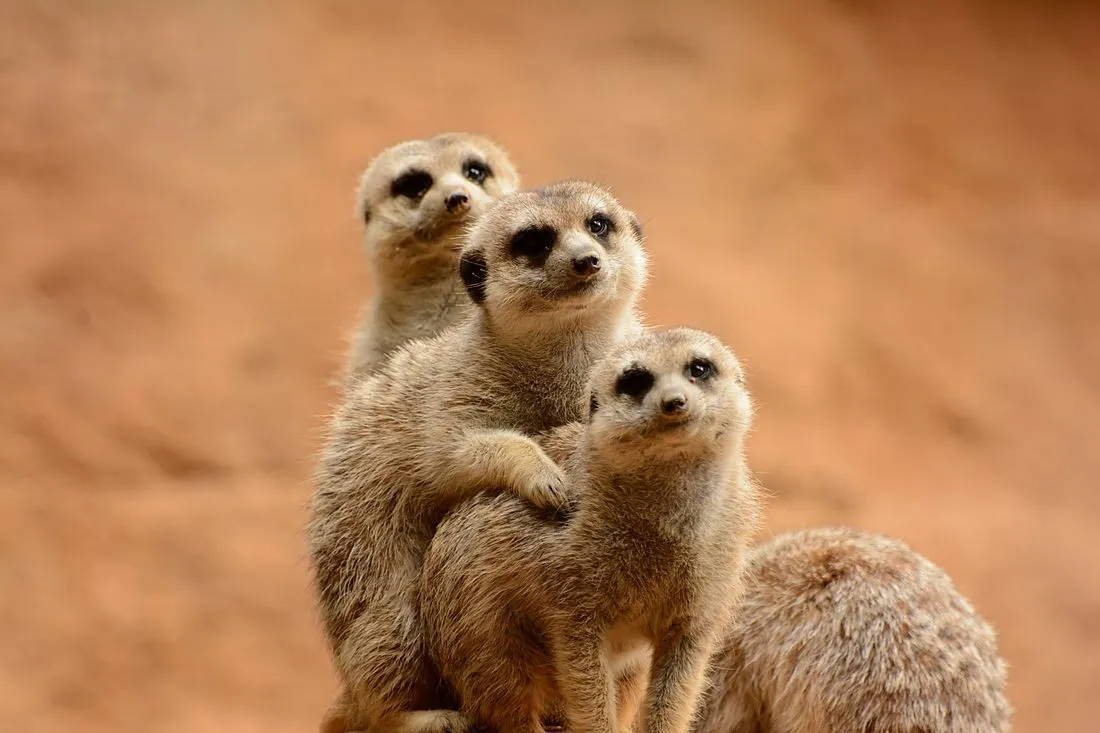
A meerkat separated from its group in the Kalahari does not simply look unhappy. It looks physiologically distressed: scanning constantly, unable to settle, visibly wrong.

Read the full story
Natural Sci.Social Sci.

Everything we physically know about the Denisovans fits in a small box: a finger bone, a few teeth, a jawbone, all from Siberia. They were a human species, closely related to Neanderthals, who overlapped with our ancestors until perhaps 30,000 years ago.

Read the full story
Natural Sci.Good News

About 50,000 patients develop pneumonia in Australian hospitals each year. Around 1,900 die from it.

Read the full story
Life SciencesNatural Sci.

GLP-1 receptor agonists — semaglutide (Ozempic, Wegovy), tirzepatide, and others — have reshaped obesity medicine faster than almost any drug class in recent history. They work.

Read the full story
Plant-BasedGood NewsSocial Sci.

In 2019, New York City set a target to reduce greenhouse gas emissions from government food purchasing by 33 percent by 2030. By 2025, they had reduced them by 36 percent — and hit that milestone four years ahead of schedule.

Read the full story
TechnologyLife Sciences

In 1982, several research teams independently discovered that a single mutated DNA letter could turn a gene called RAS into a cancer driver. RAS proteins are like molecular switches that tell cells when to grow and divide.

Read the full story

The feel-good story of the day

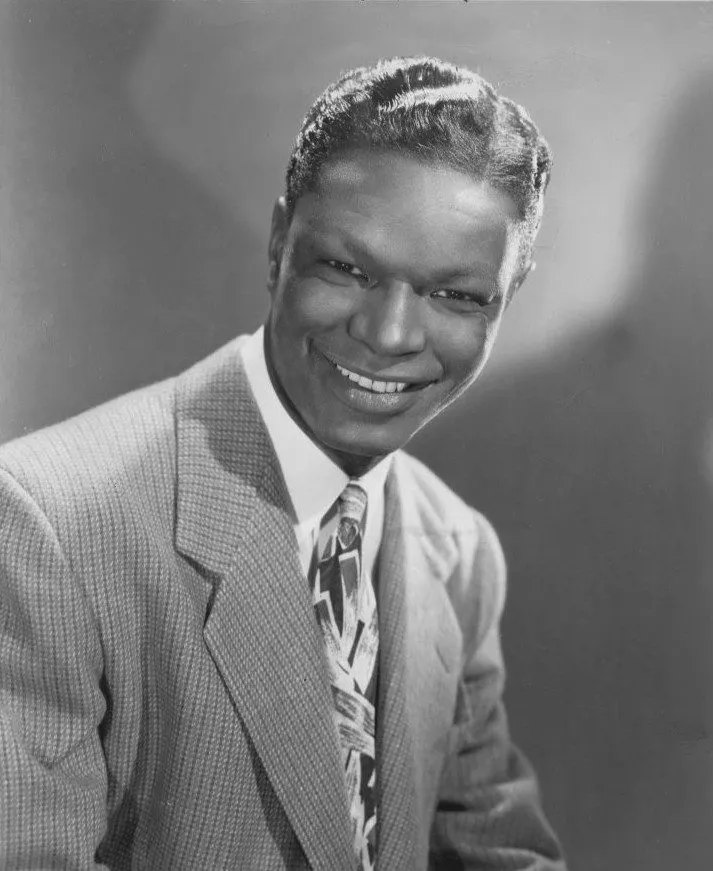
Wikimedia Commons / Nat King Cole

The Voice That Made Summer Think of Christmas

On June 14, 1946 — eighty years ago today — Nat King Cole walked into a recording studio and laid down the first version of "The Christmas Song." Mel Tormé had written it the previous July in what had to be ninety-degree heat, trying to cool off by writing about snow. He saw four lines on a spiral pad at a friend's piano: "Chestnuts roasting... Jack Frost nipping... Yuletide carols... Folks dressed up like Eskimos." Forty minutes later they had all the lyrics. Tormé set them to music the same afternoon.

Cole recorded the song twice. The first version, a simple piano-and-trio arrangement, was the one Capitol Records wanted. Cole pushed back: he wanted strings. The label objected. He recorded the string version anyway in August 1946, insisted it be released, and it became one of the biggest hits of the year on both the pop and R&B charts. Eighty years on, it remains the most-performed Christmas song in existence according to BMI, and it is still most often Nat King Cole's voice you hear.

He spent most of the next decade proving that a Black musician could command the full apparatus of pop success on his own terms. In 1956 he hosted the first network television variety show headlined by an African American. It ran for a year. No national sponsor ever committed, the network couldn't sell it, and Cole showed up every week and made it anyway. He is buried in Forest Lawn in Los Angeles, next to his recording of chestnuts roasting in July.

The discoveries, in full

Natural Sci. Psychology

Loneliness Is a Biological Signal, Not a Personality Trait

A meerkat separated from its group in the Kalahari does not simply look unhappy. It looks physiologically distressed: scanning constantly, unable to settle, visibly wrong.

Tim Clutton-Brock, who has spent his career studying these animals at the University of Cambridge, describes their anxiety with clinical precision. "They very clearly get extremely worried." The question neuroscientists are now asking is whether this is emotion in any meaningful sense, or something more fundamental. The answer coming out of labs like Kay Tye's at the Salk Institute for Biological Studies in California is increasingly: both, and actually the same thing. Over the past decade, researchers have been building the case that an animal's need for social connection is homeostatic, a set point the body tries to return to, running on the same basic logic as hunger or thirst. When mice are isolated for five days and then reunited with cage-mates, they make high-frequency contact sounds, crawl under each other, can't stop moving. They look like a craving being met, not a preference being satisfied [3][31].

What each field noticed
Knowable Magazine: "Why we crave company" and Live Science: "Neuroscientists are searching for the 'cellular substrate of loneliness'"

Natural Sci.

The evolutionary framing explains the variation. Beavers form close family units. Starlings flock in the thousands. Adult male orangutans roam completely alone for most of their lives. Each species has evolved around a different social optimum, shaped by predation risk, foraging strategy, and whether raising offspring requires a village or just a parent. What Tye's lab is now hunting is the cellular machinery that registers the deficit in social contact and drives you to fix it. They call it the "cellular substrate of loneliness" — specific neurons that track social need the way other neurons track blood sugar. Among humans, the individual optimum varies enormously. "You can feel lonely at a party, or you can feel fine alone in your office," Tye notes. But the mechanism underneath, whatever the individual's setpoint, appears to be ancient and hardwired [3][31].

Greater Good

What Is Social Resilience — and How Can You Foster It?

If the need is real biology, then the capacity to turn toward each other in adversity isn't optional softness: it's a survival adaptation that our nervous systems were literally built to reward. John Cacioppo, Harry Reis, and Alex Zautra, writing in their 2011 paper on social resilience, trace the origin to the basic fact that humans arrived on Earth physically outmatched. No great claws, no serious speed, no meaningful armor. What we had was the capacity to coordinate. Stephanie Brown of the Stony Brook Neuroscience Institute describes it as "fitness interdependence": my survival depends on yours. The biology backs this up: helping someone else activates the brain's reward pathways. People who volunteer more hours live longer and develop fewer diseases. The "warm glow" of generosity is a real neurochemical signal, not a metaphor [180].

Natural Sci. Social Sci.

The People We Interbred with 40,000 Years Ago Are Still Running Part of Our Immune Systems

Everything we physically know about the Denisovans fits in a small box: a finger bone, a few teeth, a jawbone, all from Siberia. They were a human species, closely related to Neanderthals, who overlapped with our ancestors until perhaps 30,000 years ago.

We have never seen their faces. But a new Yale-led study, published in Science, reveals that their DNA is not just surviving in modern humans as a passive remnant. It is active. Researchers sequenced the genomes of 177 people from 12 populations across Near Oceania — Papua New Guinea, the Bismarck Archipelago, the Solomon Islands — and found evidence that their ancestors interbred with at least three distinct Denisovan lineages. The inherited sequences appear to sit in regulatory regions of the genome: the sections that control whether other genes are turned on or off, and at what intensity. Lead author Serena Tucci of Yale put it plainly: "This DNA is not just a remnant of ancient liaisons; it continues to influence our biology today." [28]

What each field noticed
ScienceDaily

Ancient Denisovan DNA still shapes human immunity today

The focus is on regulatory function. Most people think of inherited DNA as encoding proteins, the physical building blocks of the body. But a large fraction of the genome does something more subtle: it adjusts the expression of other genes, acting as a dimmer switch rather than an on/off circuit. The Denisovan sequences found in Oceanian genomes appear to cluster in these regulatory regions, particularly those connected to immune function. The implication is that ancient encounters with Denisovan pathogens shaped which immune variants were adaptive, and those variants are still at work. The study also highlights a persistent gap in genomics: people of Oceanian ancestry are dramatically underrepresented in large genetic datasets, which means discoveries about human biology have often been derived from European-ancestry populations and may not apply universally [28].

Read the story
Noema

Heritage Exists Beyond Humankind

A separate piece, arriving on the same day and not about human genetics, made a related argument from a completely different angle. Writer Ryan Huling notes that bighorn sheep relocated from Oregon to the Rocky Mountains in conservation programs had no idea where to migrate, because the routes those herds travel aren't instinct: they're learned from elders, passed through social transmission over centuries. When the herd's knowledge holders are gone, the knowledge is gone. Sperm whales use group-specific dialects older than Sanskrit. Chimpanzee communities teach stone-tool use to their young. The Denisovan connection: what we inherit, whether genetic or cultural, is alive in what we do now. Heritage is not a historical category. It is a functional one [242].

Read the story
Natural Sci. Good News

A Toothbrush Cut Hospital Pneumonia by 60 Percent

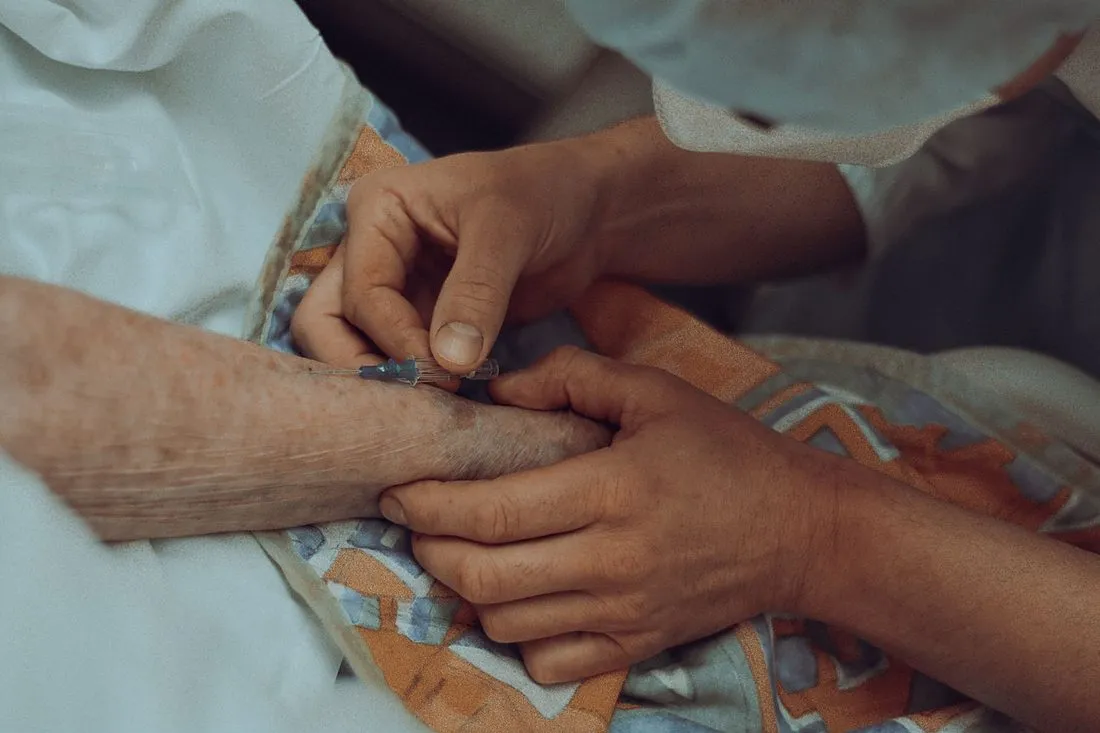
About 50,000 patients develop pneumonia in Australian hospitals each year. Around 1,900 die from it.

This is non-ventilator hospital-acquired pneumonia: infection that happens not in the ICU but on regular wards, when bacteria from the mouth and throat are inhaled into the lungs. Patients in hospital tend to brush their teeth rarely or not at all. Toothbrushes aren't packed in emergencies, oral care isn't always on busy nurses' checklists, and patients who need help brushing don't always get it. A new trial, published in The Lancet Infectious Diseases, ran an intervention across 8,870 patients in three Australian hospitals. The intervention was deliberately simple: give admitted patients a toothbrush and toothpaste in a bag, educate staff and patients about oral hygiene, assist patients who needed help, and audit regularly. Before the trial, 16 percent of patients were brushing their teeth while hospitalized. After, 62 percent were. The pneumonia rate fell 60 percent — from the equivalent of eight infections per month on a typical 30-bed ward to fewer than four. The researchers call it the largest multi-hospital trial of its kind [129].

What each field noticed
ScienceAlert

Brushing Your Teeth Could Help Prevent a Deadly Hospital Infection

The mechanism is microbial. The mouth hosts billions of bacteria at baseline. During illness and hospitalization, oral hygiene deteriorates, the bacterial load climbs, and when patients swallow or aspirate even small amounts of oral fluid, those bacteria move into the lungs. The lungs of sick, weakened patients can't clear them. The trial used a stepped-wedge cluster design, introducing the intervention one ward at a time over twelve months at each hospital, which tests a real-world rollout rather than an idealized experiment — and still found a 60 percent reduction [129].

Read the story

Good News

A toothbrush costs almost nothing. The training required to prioritize oral care costs almost nothing. There is no new technology, no complex drug, no expensive equipment involved. Patients who develop hospital-acquired pneumonia stay in hospital ten to forty-eight days longer and are eight times more likely to die during their admission. A 60 percent reduction in that risk, achieved with a bag of toiletries and a reminder, is one of the cleaner cost-benefit ratios in recent clinical literature [129].

Life Sciences Natural Sci.

GLP-1 Weight Loss Drugs Are Changing Bodies in Ways Nobody Fully Predicted

GLP-1 receptor agonists — semaglutide (Ozempic, Wegovy), tirzepatide, and others — have reshaped obesity medicine faster than almost any drug class in recent history.

They work. But two new analyses, published the same week, add important texture to what "working" means for people's bodies. The first, using real-world Fitbit data from 753 adults in the NIH's All of Us database, found that patients starting GLP-1 therapy actually moved less as they lost weight: daily step counts dropped from an average of 5,047 to 4,487, and moderate-to-vigorous exercise fell from 28 to 22 minutes per day. The assumption had been that losing weight would naturally increase movement. It didn't. The second study, a pharmacovigilance analysis of 58 million adverse event reports in the FDA's database, found that GLP-1 agonists have the strongest statistical signal of any drug class for impaired gastric emptying, with semaglutide's reporting odds ratio for this effect at 80.27 — far above most other drugs in the dataset [71][155].

What each field noticed
Neuroscience News

GLP-1 Therapies Silence Spontaneous Physical Activity

The finding overturns a clinical assumption. The study team emphasizes the muscle-loss risk: GLP-1 drugs reduce lean muscle mass alongside fat, and exercise is the primary tool for preventing that. If patients move less while taking these drugs, they may be trading fat for muscle in ways that harm long-term metabolic health. The sharpest declines were seen in male patients and in people with pre-existing joint or muscle pain — a population that often needs exercise most. The research team's prescription: resistance training and targeted movement need to be actively prescribed alongside GLP-1 therapy, not assumed to happen on their own [155].

Read the story
PLOS One

Drug-induced gastric motility disorders

The pharmacovigilance study analyzed adverse event reports from 2004 to 2025 and found that GLP-1 agonists weren't just associated with slowed gastric emptying — they were the most strongly associated drug class in the entire database for this effect. The clinical consequence is real: delayed stomach emptying affects nutrition absorption, medication timing, and anesthesia safety. The study doesn't argue against these drugs, but flags that the gastric effects may be systematically undercounted and underreported, since many patients don't connect sluggish digestion to a weight loss medication [71].

Read the story
Plant-Based Good News Social Sci.

New York City Hit Its 2030 Food Climate Goals Four Years Early

In 2019, New York City set a target to reduce greenhouse gas emissions from government food purchasing by 33 percent by 2030. By 2025, they had reduced them by 36 percent — and hit that milestone four years ahead of schedule.

The numbers are in. Food-related emissions from city institutions (schools, hospitals, prisons, elderly centers, homeless shelters) reached 1.04 million tonnes of CO2e in 2025, down from the 2019 baseline. The mechanism was procurement: the city changed what it bought. Plant-based proteins went up 130 percent by volume since 2019. Fruits and vegetables rose 46 percent. Dairy purchases fell 21 percent. Beef and lamb dropped 67 percent. Overall animal protein purchasing fell 15 percent across the city's food system [330].

What each field noticed
Green Queen

New York City Ups Spending on Plant-Based Food to Hit 2030 Emissions Goal Early

The detail that catches the eye: dairy still accounts for 42 percent of the city's food-related emissions despite a 21 percent volume reduction, because dairy is extraordinarily emissions-intensive even in relatively moderate quantities. Ruminant meats (beef and lamb) account for 21 percent of food emissions despite the city buying very little of them. The data make visible what otherwise feels abstract: the emissions impact of food is not proportional to the volume purchased. A small amount of beef or dairy carries a much larger climate cost than an equivalent weight of vegetables or grains [330].

Read the story

Good News

This is what cities can actually do. No consumer behavior change campaign. No voluntary corporate pledge. A government changed what it bought, across the institutions it runs, and measured the result. New York City's public food system is one of the largest institutional purchasers in the world. The Good Food Purchasing programme, established in 2022, gave the framework for tracking procurement against five values simultaneously: local economies, environmental sustainability, valued workforce, animal welfare, and nutrition. Other cities are reading this data now [330].

Social Sci.

The policy design is the insight. Procurement power is often underestimated as a climate tool. When cities, school districts, hospitals, and prison systems shift what they buy, the effect bypasses the friction of individual consumer choice entirely. The question this raises for economists and policymakers: how many other sectors have similar institutional purchaser leverage that hasn't been used, and what would it take to use it? [330]

Technology Life Sciences

Cancers That Defeated Every Drug for Forty Years Are Starting to Give Way

In 1982, several research teams independently discovered that a single mutated DNA letter could turn a gene called RAS into a cancer driver. RAS proteins are like molecular switches that tell cells when to grow and divide.

When they malfunction, they get stuck permanently in the "on" position. Multiple cancers — pancreatic, lung, colorectal — run on stuck RAS switches. Researchers immediately identified RAS as the ideal drug target. And for forty years, nothing worked. The protein's surface was too smooth, with no obvious pocket for a drug molecule to grab. The first drug to block even one RAS variant wasn't approved until 2021, four decades after the discovery. Now a drug called daraxonrasib, developed by Revolution Medicines, has produced results in a clinical trial for advanced pancreatic cancer that nearly doubled median survival time compared to chemotherapy: roughly thirteen months after diagnosis, compared to six or seven. Patients also reported less pain and better quality of life during treatment [318].

What each field noticed
SingularityHub

After Decades of Failure, 'Undruggable' Cancers Begin to Give Way

The technology that broke the stalemate is AI-assisted structural analysis. Getting past the smooth-surface problem required finding hidden binding pockets — transient grooves that open briefly as the protein moves between conformational states and then close again. Classical drug development couldn't reliably find these. AI tools scanning protein dynamics can. Daraxonrasib targets a broader set of RAS mutations than prior drugs, increasing the range of patients who might benefit. The article also notes that this is part of a larger shift: the field's previous "undruggable" label is being quietly retired for several protein families as computational tools find features human chemists missed [318].

Read the story

Life Sciences

For patients: thirteen months median survival after diagnosis for a cancer where six to seven months was typical. Patients also reported less pain and better quality of life while on treatment, rather than the brutality that often accompanies chemotherapy. This is a clinical milestone, not a commercial product yet, and the trial involved carefully selected patients at specialist centers. But the data are solid enough that further development is proceeding [318].

Good news you might have missed

Millipedes beat vertebrates to land by 80 million years Virginia Tech researchers completed the millipede family tree for the first time, tracking down two rare species in Mexico and the Canary Islands to fill a gap that had stood for over a century. Millipedes colonized land around 460 million years ago, decomposing organic matter and building the soil chemistry that made complex land life possible. We got here 80 million years after they did, on a stage they built [27]. ScienceDaily
A single dose of psilocybin provides months of relief from chronic suicidal thoughts in new study A study in The Journal of Clinical Psychiatry enrolled adults with severe depression and chronic suicidal ideation — the group most urgently in need of new options and historically excluded from psychedelic trials. A single psilocybin session, with psychological support, produced rapid and lasting reductions in suicidal thinking in patients who hadn't responded to standard treatments. The effect lasted months, not days [202]. PsyPost
Dutch Kids Rank No. 1 in the World for Mental Health UNICEF's latest child well-being report put the Netherlands at the top for children's mental health. Researchers point to several factors working together: Dutch parents work fewer hours than anywhere else in Europe, children cycle miles to school independently, schools banned phones, and the culture treats raising children as genuinely shared community work rather than a private parental burden [353]. Nice News
Diver Captures First Underwater Footage of a Great White Shark in the Mediterranean A team of volunteers removing abandoned fishing nets from a shipwreck in the Strait of Sicily encountered an adult great white shark and filmed it — the first underwater footage of the species in the Mediterranean. The great white is critically endangered there. Volunteer Derk Remmers described the statistical improbability of the encounter, then noted that the team finished removing the nets anyway, because the moment made the work feel urgent [349]. Nice News
Scientists map the neural 'entrapment' patterns that keep the depressed brain stuck Researchers at the Icahn School of Medicine at Mount Sinai used network control theory to show that the depressed brain spends more energy trying to transition between normal activity states, getting stuck in certain patterns the way water pools in a valley. The "entrapment" isn't metaphor: it's a measurable physical feature of the brain's white matter structure, which points toward possible targets for neuromodulation therapies [207]. PsyPost
Saliva Biomarkers Detect Human Sleep Deprivation University of Zurich researchers identified a ten-biomarker signature in human saliva that changes predictably after sleep loss. The goal is a roadside test — a fatigue breathalyzer — that could catch dangerously tired drivers before they crash. About a third of the population has chronic sleep disorders; the test is entering international field validation now [156]. Neuroscience News
Three Countries Own the Lithium Market. An MIT Startup Wants to Break Their Grip. MIT researchers developed a new process for extracting lithium from hard rock using glass-etching chemistry, running at below the boiling point of water with nearly recyclable liquid chemicals. The process also produces byproducts used to make lower-carbon cement. Large hard-rock lithium deposits exist in the US, Europe, and Africa; unlocking them could decentralize a supply chain currently concentrated in three countries [323]. SingularityHub
Meatly Is Building Europe's Largest Cultivated Meat Factory In London Meatly, which became the first company in Europe to sell cultivated meat, is now building a facility with a 20,000-litre bioreactor in London after cutting its bioreactor costs by approximately 90 percent over four years. Commercial production for the UK pet food market is targeted for 2027 [336]. Plant Based News
An Almost Incomparable 'Princely' Tomb of Ancient Celtic Noble Found in Germany Construction work for a solar panel installation near a German highway uncovered one of only three wagon burial sites in the country: heavy gold rings, amber and glass beads, the iron fittings of a chariot including its axle and wheel bands, and an Etruscan bronze jug that had traveled from central Italy to Celtic Germany around 450 BCE. The district archaeologist had ordered a precautionary geomagnetic survey expecting nothing and joking about "finding a princely grave." He found one [344]. Good News Network
Heritage Exists Beyond Humankind A carefully argued essay makes the case that animals deserve cultural heritage protections for their passed-down knowledge. Bighorn sheep relocated without their elders have lost migratory routes accumulated over centuries. Sperm whale pods communicate in dialects older than Sanskrit. Forest elephants follow transit corridors learned from great-grandmothers. This is culture, and it is being lost alongside species and populations [242]. Noema
What Are Kath-Kuni Homes and How They Survived Himalayan Earthquakes for Over 1000 Years? An ancient building technique from Himachal Pradesh uses no cement, no metal, no mortar: only locally cut stone and deodar wood, locked at corners through interlocking joints. During the 1905 Kangra earthquake, while modern construction collapsed, Kath-Kuni houses in the Kullu Valley stood because the structure bends rather than breaks. The physics is documented; the technique still exists [373]. The Better India
These Engineers Turned River Weeds, Old Clothes and Period Pain Into Real Solutions Four engineers in India this week: one built a doorstep clothing-collection startup that has diverted 23 tonnes from landfills in its first year; one turned water hyacinth (an invasive weed choking Bengal's rivers) into handloom sarees while employing 450 women to harvest it; one revived centuries-old nomadic beadwork traditions and opened international markets for 30 artisans; one developed an affordable period product now in six lakh wardrobes across India [364]. The Better India
Risky play helps children develop real-world safety skills, new virtual reality research suggests Children who engaged in more physical risk during play — climbing, fast movement, unsupervised exploration — made faster and safer decisions when navigating a simulated busy street crossing in a virtual reality study. The skills transferred outside the playground into a genuinely different, higher-stakes scenario. The researchers argue this is why removing risk from childhood play may be counterproductive [204]. PsyPost
We Analyzed Paper Money Printed by Ben Franklin to Uncover His Anti-Counterfeiting Techniques Materials scientists at Notre Dame analyzed hundreds of surviving colonial American banknotes and found Franklin's anti-counterfeiting methods were more sophisticated than assumed: unique nature-print patterns from real leaf impressions whose vein structures couldn't be copied, carefully varied ink formulations, and deliberate inconsistencies in spelling that would expose fakes. He was doing materials science in the 1730s [348]. Nice News

Everything we read today

Natural Sciences 153 articles
Latest from Live Science
PLOS Biology
PLOS One
Proceedings of the National Academy of Sciences: Proceedings of the National Academy of Sciences: Table of Contents
Life Sciences & Medicine 23 articles
eLife: latest articles
Psychology & Behavioral Science 60 articles
PsyPost Psychology News
Social Sciences 16 articles
Technology & Innovation 72 articles
Ars Technica - All content
Plant-Based & Vegan 19 articles
Solutions & Good News 31 articles
The Better India : Latest Posts
Human Stories & Ideas 70 articles
The Marginalian

Get this every morning.

One short, warm email with the day's real progress. Free, forever.