June 12, 2026

Joints that learn to grow young, Language is older than we thought

6 discoveries · 14 good-news notes · 155 articles read

The common thread

Scientists coaxed old human joint tissue into growing new cartilage again, the first credible glimpse of a path to repair rather than replace.

Natural Sci.Technology

Stanford Medicine researchers identified a protein called 15-PGDH that accumulates in joints with age and gradually shuts down the cells responsible for making cartilage. When they blocked it in old mice, cartilage grew back.

Read the full story
Natural Sci.Psychology

Two separate pieces of language research, from very different traditions, both pushed the origin of speech back further and made it stranger. University of Iowa researchers found a set of tiny genetic regulatory regions, called HAQERs, that make up less than 0.1% of the human genome but drive roughly 200 times more...

Read the full story
Natural Sci.Human Stories

Two papers published this week mapped places no one had ever fully seen. A team at the Society for the Protection of Underground Networks analyzed 16,000 soil samples from 322 studies, combined the data with robotic imaging of 300,000 fungal threads, and produced the first global digital map of Earth's mycorrhizal...

Read the full story
Good NewsNatural Sci.

Three separate ocean stories broke this week. French Polynesia announced a new marine reserve covering 200,000 square miles of the Pacific, roughly the size of France, around two of the most biologically rich archipelagos on Earth.

Read the full story
PsychologyNatural Sci.

Two studies published this week landed on opposite sides of the AI question, and both were done carefully. A series of randomized controlled trials involving 1,222 participants found that 10 to 15 minutes of AI assistance improved performance during the session, but once the AI was removed, the assisted...

Read the full story
TechnologyPsychology

MIT Technology Review published a long piece on interoception, the body's internal sensory system: the signals your brain receives from your gut, heart rate, skin, and organs, about 11 million bits of information flowing in every second, with only 10 to 60 of them ever reaching conscious awareness. The field was...

Read the full story

The feel-good story of the day

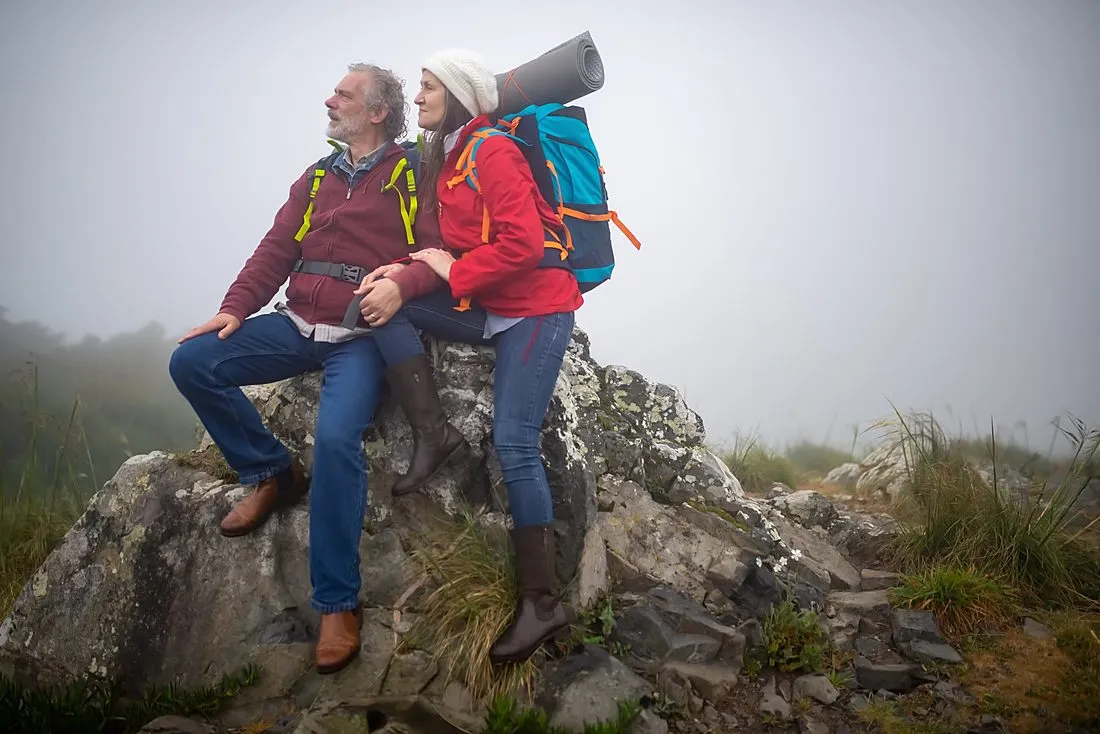
Hugo Martínez (via Pexels)

The couple who went home and changed America

On June 12, 1967, fifty-nine years ago today, the United States Supreme Court voted unanimously to strike down every state law that banned interracial marriage. The opinion was brief. The case was called Loving v. Virginia. The couple it was named for had not set out to be litigants. They just wanted to go home.

Mildred Jeter was a Black and Native American woman from Caroline County, Virginia. Richard Loving was a white bricklayer from the same county, a man she had known since she was 11. They married in Washington, D.C., in 1958, where it was legal, and returned to Virginia to live. Five weeks later, sheriff's deputies entered their bedroom in the middle of the night and arrested them both. They were charged under Virginia's Racial Integrity Act of 1924. A judge suspended their sentences on the condition that they leave the state and not return together for 25 years.

They went. They raised three children in Washington, D.C., but Mildred missed her family, her land, and Caroline County. In 1963, she wrote a letter to Attorney General Robert Kennedy asking for help. Kennedy referred it to the American Civil Liberties Union, which took the case. When a reporter asked why they were fighting, Mildred said something plain and careful: "We are not doing it just because somebody had to do it. We are doing it for us." Richard Loving had taped a photograph of his wife and himself to their bedroom wall in the apartment in D.C. Beneath it he had put their wedding photo. He did not say much to reporters. When asked what he wanted people to know, he said: "I love my wife."

Richard died in a car accident in 1975. Mildred lived until 2008. In the year before she died, she issued a public statement in support of same-sex marriage rights, drawing the direct line from her own case to the principle her family had always stood for: that the government has no business standing between two people and the life they want to build together. Sixteen states had laws against interracial marriage when the decision came down. All of them fell the same morning.

The discoveries, in full

Natural Sci. Technology

Joints that learn to grow young

Stanford Medicine researchers identified a protein called 15-PGDH that accumulates in joints with age and gradually shuts down the cells responsible for making cartilage.

When they blocked it in old mice, cartilage grew back. When they exposed human tissue samples collected during knee replacement surgeries to the same treatment, those decades-old cells started producing new cartilage again. The mechanism is unusual: unlike most tissues, cartilage does not regrow through stem cells. Instead, the existing cartilage-producing cells, called chondrocytes, appear able to shift their gene activity and return to something like a younger state [8]. The same week, MIT Technology Review reported that Life Biosciences had just injected its first human patient, a person with glaucoma, with a treatment designed to regenerate nerve cells in the eye using a similar cellular reprogramming approach, and that the biotech sector is betting billions on this idea [114].

What each field noticed
ScienceDaily

Stanford scientists regrow lost cartilage and reverse arthritis in major breakthrough

The 15-PGDH protein is part of a newly identified class the researchers called "gerozymes": proteins that become more active with age and suppress tissue repair across multiple systems, including muscle, bone, nerve, and blood cells. Blocking the protein in older mice didn't slow decline. It reversed it. An oral version of the drug is already in human trials for age-related muscle loss, which is the fastest path to the clinic [8].

Read the story
MIT Technology Review

Why 'reprogramming' is the buzziest approach to reversing aging right now

MIT Technology Review traced how this field went from fringe speculation to the hottest area in longevity biotech. Life Biosciences' trial is the first time a reprogramming approach has been tested in a living person. The company's chairman, David Sinclair, believes the same principle that may save one person's eyesight could eventually be applied more broadly. That's still speculative. The first trial is about glaucoma [114].

Read the story
Natural Sci. Psychology

Language is older than we thought, and stranger

Two separate pieces of language research, from very different traditions, both pushed the origin of speech back further and made it stranger. University of Iowa researchers found a set of tiny genetic regulatory regions, called HAQERs, that make up less than 0.1% of the human genome but drive roughly 200 times more influence on language ability than any other genomic region.

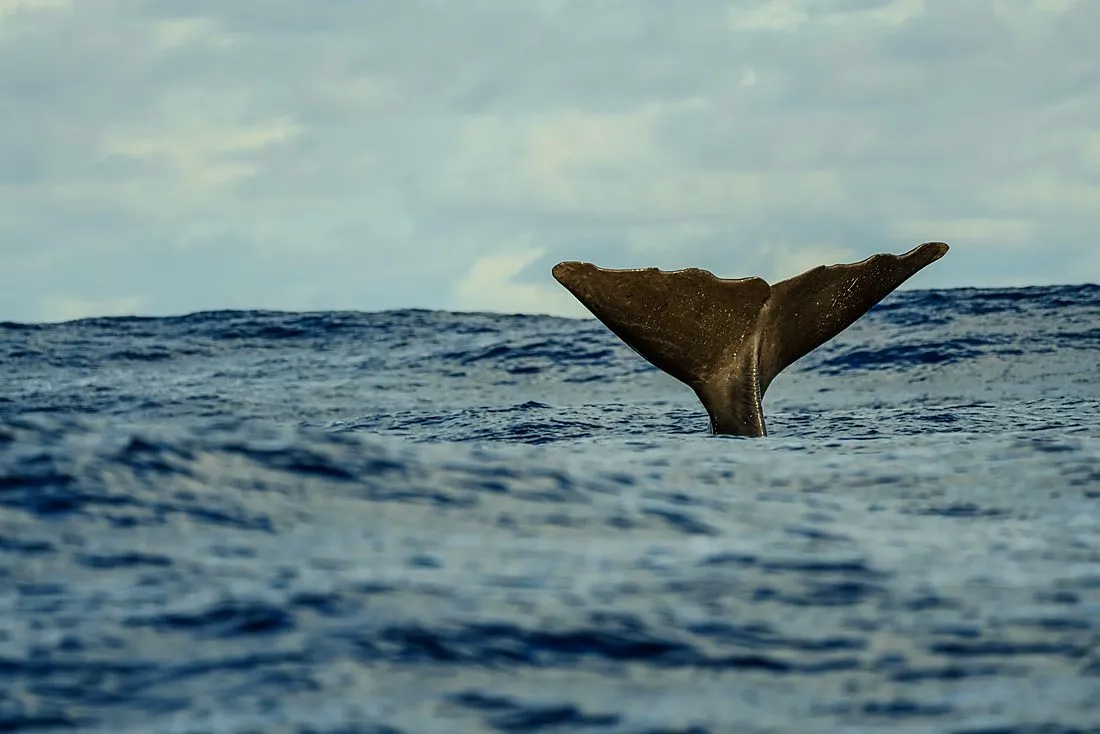
These switches predated the divergence of modern humans from Neanderthals, which means the biological architecture that makes language possible was already in place before our species existed as a distinct lineage [11]. Separately, Project CETI, the Cetacean Translation Initiative, published findings showing that Eastern Caribbean sperm whales produce clicks with regular rhythmic patterns and overlaid frequency patterns, structured exactly the way human consonants and vowels are structured: pulses plus frequency shaping. Two species, separated by hundreds of millions of years of evolution, arrived at the same basic phonological solution [81].

What each field noticed
ScienceDaily

Ancient DNA shared with Neanderthals may explain human language

HAQERs are not genes. They are regulatory switches, volume controls for brain-development genes. The Iowa team analyzed DNA from 350 students whose language abilities were carefully documented in the 1990s and found these tiny switches had a disproportionate influence on how well those individuals could use language. More striking: the switches evolved rapidly early in hominin history, before the Neanderthal split, which suggests Neanderthals may also have possessed the biological hardware for something like speech [11].

Read the story
Psychology Today

If We Could Talk to the Animals

Researchers had assumed sperm whales were using their clicks like Morse code: distinct units with distinct meanings. The new Project CETI analysis shows the structure is more human than that. The overlaid pitch patterns function like vowels. The pulses function like consonants. The field can now describe sperm whale communication as having "hallmarks of complex linguistic systems," even if no one can read a single sentence of it yet [81].

Read the story
Natural Sci. Human Stories

Maps of worlds nobody had seen

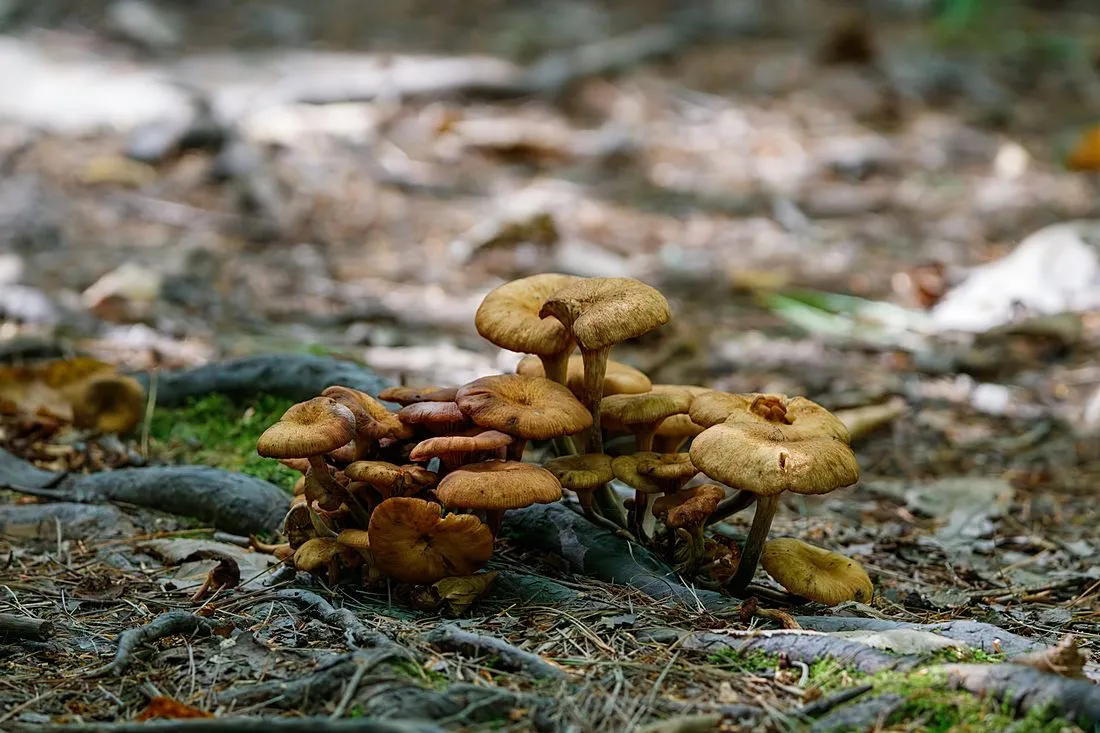
Two papers published this week mapped places no one had ever fully seen. A team at the Society for the Protection of Underground Networks analyzed 16,000 soil samples from 322 studies, combined the data with robotic imaging of 300,000 fungal threads, and produced the first global digital map of Earth's mycorrhizal networks: 110 quadrillion kilometers of fungal filaments beneath the surface, storing an amount of carbon equal to about five times the mass of all living humans combined [27].

The same week, a Chinese deep-sea research team returned from the Diamantina Fracture Zone, a vast ocean canyon 7 kilometers deep off southwestern Australia, with a census of 476 fossilized whale skulls and bones dating back 5.26 million years, along with five living whale falls, entire ecosystems of bone-eating worms and chemosynthetic clams blooming on fresh carcasses in the dark [152].

What each field noticed
New Scientist

Global map reveals the vast scale of underground fungal networks

The networks form symbiotic relationships with about 70% of the world's plant species, exchanging nutrients and water through soil in ways plants cannot access on their own. The map reveals that the largest concentrations are under South Sudan, the Florida Everglades, and the Tibetan Plateau, which are precisely the grasslands most at risk from agricultural conversion. Croplands show about 50% lower fungal density than wild soil. "Some people call plants the saviours of these fungi," one researcher said, "but these fungi are also the saviours of plants" [27].

Read the story
Big Think

Cathedral of bones: Inside the world's largest, deepest, and oldest whale graveyard

The Diamantina Fracture Zone was carved open 60 to 50 million years ago when Australia and Antarctica separated. Because of its V-shaped topography, whale carcasses sink into it from hundreds of miles around and concentrate at the bottom. On the floor, each carcass becomes a temporary ecosystem that persists for years before the bones go bare. The oldest fossil recovered dates to 5.26 million years ago. The canyon is still accepting new ones. "In the abyss, death is the ultimate act of generosity," the piece observes [152].

Read the story
Good News Natural Sci.

The ocean is mending itself, with help

Three separate ocean stories broke this week. French Polynesia announced a new marine reserve covering 200,000 square miles of the Pacific, roughly the size of France, around two of the most biologically rich archipelagos on Earth.

Industrial fishing, trawling, and mining are now prohibited. A separate study reported that the world's mangrove forests, which had been declining sharply since the 1980s, have been gaining more area than they lose for 16 consecutive years, with a net decline over 40 years of only 1% [145]. In California, a 31-year-old marine restoration director named Kaysha Kenney has collected 24,000 pounds of discarded oyster shells from Orange County restaurants, cured them outdoors for six months to remove pathogens, and planted them as settlement substrate for new oysters in bays where reefs once shaped the entire character of the coastline [150]. And at the University of Rochester, a team published a solar desalination process that produces fresh water from any ocean without chemical additives, self-cleans using the physics of the coffee-ring effect, and recovers extracted minerals, including lithium, from the leftover salt [140].

What each field noticed
Positive News

What went right this week

Positive News reported the mangrove recovery carefully: this is a rare conservation success, and threats remain in Southeast Asia and parts of South America. But gains are outpacing losses globally, and the forests that remain are becoming denser. "After decades of loss, we're finally seeing a global turning point for mangroves," the Tulane lead researcher said. The French Polynesia reserve is one of the single biggest ocean conservation commitments by any government in years; the archipelagos host species found nowhere else on Earth, including the Marquesan domino damselfish, along with critically endangered sharks, whales, and dolphins [145].

Read the story
The Optimist Daily

Dinner scraps are rebuilding California's lost oyster reefs

Eighty-five percent of the world's historical oyster reef area has been destroyed. A single healthy oyster filters 50 gallons of water per day. Kenney's project has assembled what she calls an unlikely supply chain: restaurant staff setting shells aside instead of binning them, volunteers handling pickups, dock owners contributing to planting projects, and scientists tracking whether planted shells actually attract new oysters. "I think oysters are the coolest," she told People magazine. They appear to be [150].

Read the story
Good News Network

New Solar Method Turns Ocean Into Drinking Water, While Extracting Valuable Lithium Without Waste

University of Rochester's team tested their solar panel on real seawater from the Pacific, Atlantic, and Indian Oceans. Unlike lab-only systems that handle simple salt solutions, the panel handled the full complexity of ocean water, including the magnesium and calcium compounds that clog conventional desalination membranes. The self-cleaning mechanism uses the same physics as the coffee-ring effect: as water evaporates, solutes migrate outward, keeping the active surface clear. Recovered lithium is a bonus, since lithium mining is itself environmentally costly [140].

Read the story
Psychology Natural Sci.

AI and the human mind: two studies worth reading together

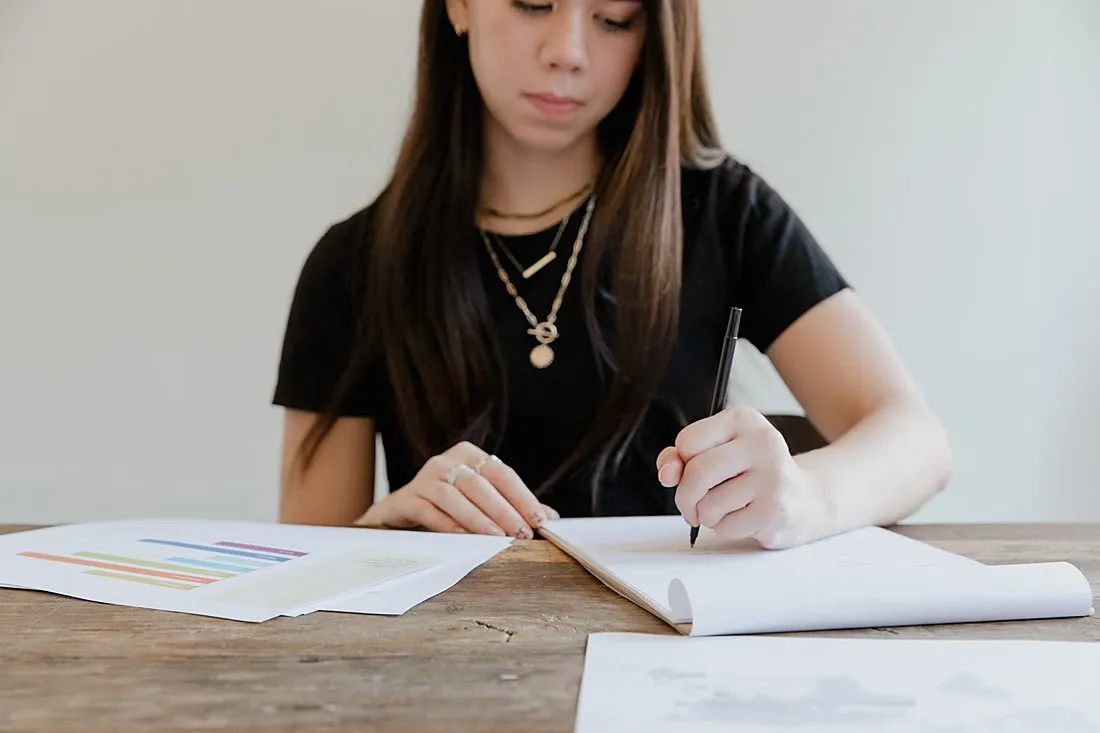
Two studies published this week landed on opposite sides of the AI question, and both were done carefully. A series of randomized controlled trials involving 1,222 participants found that 10 to 15 minutes of AI assistance improved performance during the session, but once the AI was removed, the assisted participants had a significantly lower solve rate (0.57, compared to 0.73 for the control group) and gave up more frequently.

The effect held across different task difficulty levels. The researchers called it "agency decay": a slippage from occasional use toward reliance that happens faster than users expect [68]. The second study came from the First Proof project: the most rigorous AI mathematics test ever run, with ten research-level problems that had never been published anywhere, graded by a jury of 30 expert mathematicians, and the AI systems required to work autonomously. All four participating models failed. Human mathematicians who had solved the same problems in their own research had done so [17].

What each field noticed
Psychology Today

Are We at Risk of Algorithmic Aspiration Adjustment?

The RCT design is what makes the finding hard to dismiss: random assignment, replicated across groups at different difficulty levels. The drop from 0.73 to 0.57 in solve rate is measurable and consistent. What the article adds is the aspiration framing: when AI consistently delivers good-enough outputs, people may gradually lower what they expect from their own unassisted work, without noticing it happening. "When the contours of ambition are reshaped by what algorithms deliver conveniently, flourishing becomes elusive," the authors write [68].

Read the story
Nature

Humans outperform AI at this highly rigorous mathematics test

The First Proof team eliminated training data contamination: none of the ten problems had ever appeared in the published literature, so no AI system could have trained on the answers. The jury of 30 mathematicians reviewed each AI answer against rigorous standards. No AI passed. The researchers are explicit that this is an early test and future iterations may produce different results, but for now, frontier-level mathematical proof remains a human domain [17].

Read the story
Technology Psychology

Your body is sending you a constant signal

MIT Technology Review published a long piece on interoception, the body's internal sensory system: the signals your brain receives from your gut, heart rate, skin, and organs, about 11 million bits of information flowing in every second, with only 10 to 60 of them ever reaching conscious awareness.

The field was largely ignored for most of the 20th century. Then a 2021 Nobel Prize and new imaging tools that could map these signals across the whole body turned it into one of the fastest-moving areas in neuroscience, with implications for how we understand and treat chronic pain, obesity, anxiety, and depression [115]. Psychology Today covered the downstream side: a review of dietary interventions for PTSD, which work through the gut-brain axis. What you eat changes the microbiome, which produces serotonin, dopamine, and GABA, the same neurotransmitters targeted by psychiatric drugs. Blueberries, omega-3 fatty acids, and Vitamin E are associated with reduced PTSD symptoms; sugar, fried food, and refined carbohydrates with worse outcomes [77].

What each field noticed
MIT Technology Review

Inside interoception: The hidden sense of how you feel inside

MIT Technology Review explained that the brain does not passively receive body signals. It predicts them. The interoceptive system is a constant prediction model: the brain estimates what the body will feel next and adjusts its outputs accordingly. When the model is miscalibrated, whether by chronic pain, trauma, or metabolic dysregulation, the result can look like anxiety, disordered eating, or depression. Fixing the prediction model may be as therapeutically important as treating the brain directly [115].

Read the story
Psychology Today

Food as Treatment for PTSD

The gut microbiome produces about 90% of the body's serotonin. It produces dopamine and GABA too. It affects the permeability of the blood-brain barrier and influences brain volume and neural architecture. A study of front-line healthcare workers during COVID found that pandemic stress produced PTSD symptoms alongside measurable gut microbiome disruption. The reverse also appears true: improving the microbiome through diet reduces symptom severity, which means PTSD treatment may have a dietary component that current clinical guidelines largely ignore [77].

Read the story

Good news you might have missed

First working nuclear clock heralds a new era in timekeeping After 15 to 20 years of work, a team at the Vienna University of Technology built the world's first nuclear clock using radioactive thorium; it is already being used to hunt for dark matter candidates, and it could eventually keep time to within seconds over hundreds of billions of years [26]. New Scientist
Giant underground neutrino detector brings scientists closer to cracking the neutrino puzzle China's JUNO neutrino observatory, just 59 days into collecting data, sharpened measurements of how neutrinos change as they travel by a factor of 1.6 over all previous experiments combined, a result that Nature published as a cover article [6]. ScienceDaily
What went right this week: the good news that matters French Polynesia created a marine reserve the size of France, 200,000 square miles of Pacific Ocean around its most biodiverse archipelagos, with industrial fishing, trawling, and mining all now prohibited [145]. Positive News
What went right this week: the good news that matters The world's mangrove forests have been gaining more area than they lose for 16 consecutive years; the total net decline across 40 years of global data is just 1%, and the forests that remain are becoming denser and healthier [145]. Positive News
Chile offers new data on food warning label efficacy Chile introduced black octagonal warning labels on packaged food high in sugar, salt, and saturated fat in 2016, and 18 months later, girls ages 4 to 6 had a 2.9% lower risk of obesity; boys had a 2.4% lower risk, across a study of 300,000 children; simple labels, no drugs, no surgery [55]. STAT
STAT+: Pharmalittle: We're reading about a discontinued cancer drug, a Novo security breach, and more A nonprofit called Blood Cancer United bought the remaining supply of a discontinued investigational leukemia drug and will distribute it to children with a rare form of blood cancer at no cost, after the original developer shut down its compassionate use program [54]. STAT
Nature's Fare and Choices Market Lead Canadian Retail in Cage-Free Eggs Canadian grocery chain Nature's Fare confirmed it now sources 100% cage-free eggs, and sister brand Choices Market reached 92% cage-free shell egg sales; both kept their commitments even after the Retail Council of Canada walked away from a 2016 industry pledge [116]. Mercy For Animals
Award-Winning 'More Like Paul' Documentary Is Now Streaming On YouTube A free documentary about Paul Youd, an 87-year-old vegan runner attempting 100 ultramarathons before his 100th birthday, is now on YouTube; he has completed more than 27 and says, "You've just got to keep putting one foot in front of the other and the rest takes care of itself" [127]. Plant Based News
In pictures: the circus artists rewriting the rules of ageing Generation Circus's Over-50s Showcase returns this Sunday in Hertfordshire, with performers aged 50 to 96 doing trapeze, hula hoop, juggling, and clowning; the classes are free, funded by the National Lottery, and open to anyone who walks in [144]. Positive News
Two Teen Out for a Summer Bike Ride End Up Saving Elderly Woman Trapped Outside for 16 Hours Gunner Skidmore and Kohen Chick, two Iowa teenagers on a summer bike ride, spotted an elderly woman lying in her front yard, called for help, and learned she had been there since the previous evening, more than 16 hours in the heat after falling while feeding her horse, without water or her phone [147]. Sunny Skyz
Dinner scraps are rebuilding California's lost oyster reefs Marine restoration director Kaysha Kenney, 31, has collected 24,000 pounds of restaurant oyster shells in Orange County, cured them in the California sun, and planted them as settlement substrate for new oysters in bays where reefs once filtered the entire coastal water supply [150]. The Optimist Daily
One of America's Most Influential Vegan Restaurants Is Getting a Third Chance Millennium, the Oakland vegan institution that appeared to close for good on May 23 after more than three decades, announced it will reopen on June 17 in a leaner format after "overwhelming support" from patrons, with founding chef Eric Tucker back in the kitchen [130]. VegNews.com
Podcast Transcript June 12th, 2026 A large UK clinical trial found that 68% of high-risk breast cancer patients could safely skip chemotherapy based on a genomic test that is already in use, which means the majority of patients currently receiving full chemo may face a significantly less grueling standard of care [148]. The Optimist Daily
Dog Rescued After Being Swept Out to Sea on Inflatable Kayak Headed Toward Norway Bruce, an Alsatian who drifted three miles into the North Sea on an inflatable kayak off the Northumberland coast, was spotted by a tour boat after two hours, pulled aboard when the harness slipped by a crewman who grabbed him by the scruff of the neck, and returned to shore wrapped in towels and hypothermic but alive [141]. Good News Network

Everything we read today

Natural Sciences 43 articles
Life Sciences & Medicine 19 articles
Psychology & Behavioral Science 22 articles
Social Sciences 17 articles
Technology & Innovation 14 articles
Plant-Based & Vegan 24 articles
Solutions & Good News 11 articles
Human Stories & Ideas 5 articles

Get this every morning.

One short, warm email with the day's real progress. Free, forever.